
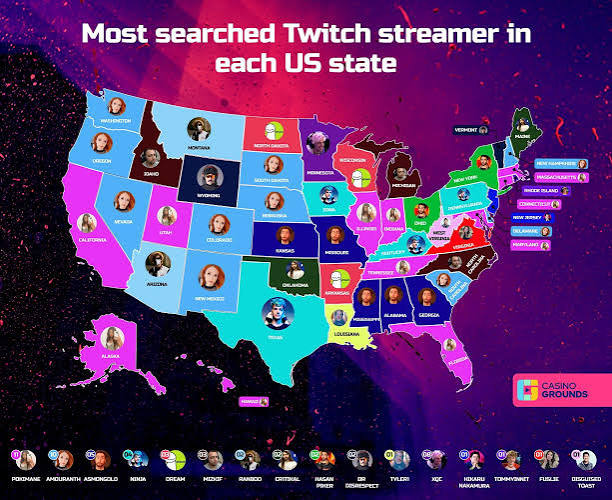
Live streaming has become one of the most popular ways to entertain audiences, share knowledge, build online communities, and develop a personal brand. Platforms such as YouTube, Twitch, TikTok, and Kick have created opportunities for creators to connect with viewers in real time. However, becoming one of the biggest live streamers best sportsbetting odds requires more than a camera, a microphone, and an internet connection. It takes creativity, consistency, patience, and a strong understanding of what audiences enjoy.
Many successful streamers begin with small audiences and limited equipment. Over time, they improve their content, develop recognizable personalities, and establish loyal communities. Their journeys offer valuable lessons for beginners who want to turn a simple streaming hobby into a sustainable online presence.
Understanding the Foundations of Live Streaming
Every successful streaming journey starts with a clear purpose. Some creators focus on gaming, while others produce educational content, discuss trending topics, host interviews, demonstrate creative skills, or share everyday experiences. Choosing a suitable niche helps streamers understand their target audience and create content that consistently attracts interested viewers.
Beginners should consider their interests, knowledge, and communication style when selecting a streaming category. A creator who genuinely enjoys discussing technology, for example, may find it easier to produce engaging technology streams than someone who chooses the topic only because it is popular.
A clear niche also makes it easier for potential viewers to understand what a channel offers. Although creators can experiment with different formats, having a recognizable theme provides a useful foundation for long-term growth.
Consistency Builds Audience Trust
One of the most important habits among successful live streamers is consistency. Audiences are more likely to return when they know when their favorite creators will be online and what kind of content to expect.
New streamers do not necessarily need to broadcast every day. Instead, they should establish a realistic schedule that fits their school, work, personal responsibilities, and available resources. Streaming three times a week at predictable times may be more effective than broadcasting every day for a short period and then disappearing.
Consistency also applies to content quality. Creators should gradually improve their presentation, audio, lighting, and interaction with viewers. Small improvements can make streams more enjoyable without requiring expensive equipment.
Over time, a reliable schedule helps establish familiarity. Regular viewers begin to recognize the creator’s style, participate in discussions, and recommend the channel to others.
Developing a Distinctive Personality
Live streaming is not only about the activity taking place on the screen. It is also about the person presenting it. Many of the biggest live streamers attract audiences because viewers enjoy their humor, opinions, storytelling, knowledge, or natural reactions.
Developing a recognizable personality does not mean copying famous creators. In fact, imitating another streamer’s voice, behavior, or format too closely can make a channel feel unoriginal. Beginners should focus on their own strengths and discover what makes their content different.
For example, a gaming streamer might explain strategies clearly, while another creator might specialize in entertaining commentary. An educational streamer could build an audience by making difficult subjects easier to understand.
Authenticity is especially important during live broadcasts because audiences can observe reactions and conversations as they happen. A genuine, respectful approach helps creators establish a connection with viewers and develop a more memorable identity.
Audience Engagement Turns Viewers Into Communities
A major difference between live streaming and prerecorded video is real-time interaction. Viewers can ask questions, share opinions, respond to jokes, and influence the direction of a broadcast. Successful creators understand that this interaction is an essential part of the experience.
Beginners should acknowledge comments when possible, welcome returning viewers, and ask questions that encourage meaningful participation. Even simple conversations can make people feel included.
However, engagement should not be measured only by the number of messages in a chat. A smaller audience that actively participates can provide a stronger foundation than a large group of viewers who rarely interact.
Streamers should also establish clear community guidelines. Respectful moderation helps prevent harassment, spam, and disruptive behavior. When people feel comfortable participating, they are more likely to return and invite others.
As a channel grows, moderators and community management tools can help maintain a positive environment without placing every responsibility on the streamer.
Using Social Media to Reach New Audiences
Live streaming platforms do not always provide enough discovery opportunities for beginners. New creators may need additional channels to introduce their content to people who have never watched their streams.
Short-form videos are particularly useful for this purpose. Streamers can turn entertaining moments, helpful explanations, impressive gameplay, or interesting discussions into short clips for platforms such as TikTok, Instagram Reels, and YouTube Shorts.
These clips allow potential viewers to experience a creator’s personality without committing to an entire broadcast. A strong highlight can encourage people to visit the channel and watch future streams.
Creators can also publish schedules, behind-the-scenes updates, announcements, and community polls on their social media accounts. The goal is to make the audience aware of upcoming content and maintain contact between broadcasts.
Successful promotion requires adapting content to each platform rather than posting identical material everywhere without considering the audience.
Learning From Analytics and Viewer Feedback
Growth becomes more manageable when streamers understand how their content performs. Most major streaming platforms provide analytics that reveal useful information about viewers, watch time, audience retention, and engagement.
These measurements help creators identify patterns. For example, a streamer may discover that tutorials attract more returning viewers than general discussions. Another creator might notice that audience participation increases when streams include structured challenges or question-and-answer sessions.
Analytics should support experimentation rather than dictate every creative decision. A video that receives fewer views may still strengthen relationships with a smaller but highly interested audience.
Feedback is equally valuable. Streamers can ask viewers what they enjoy, which topics they want to explore, and what improvements would make broadcasts more useful or entertaining.
By testing different ideas and reviewing the results, creators can make informed decisions instead of relying entirely on guesswork.
Collaborations Expand Visibility
Working with other creators can introduce streamers to new audiences and create fresh content opportunities. Collaborations might include multiplayer gaming sessions, interviews, joint discussions, creative challenges, or educational demonstrations.
For beginners, collaborating with creators who have similar audience sizes can be particularly practical. Both participants can contribute ideas, share their perspectives, and benefit from the experience without the pressure of arranging a partnership with a major influencer.
Successful collaborations should feel natural. Creators need compatible interests, respectful communication, and a shared understanding of the content being produced.
Networking can also lead to lasting professional relationships. Other streamers may offer useful advice about equipment, moderation, content planning, and platform features.
Choosing the Right Equipment and Improving Production
Although personality and content matter greatly, production quality can influence whether viewers continue watching. Fortunately, beginners do not need a professional studio to get started.
A dependable internet connection, clear microphone, suitable camera if needed, and adequate lighting can provide a solid foundation. Clear audio is particularly important because viewers may tolerate a simple visual setup more easily than distracting background noise or difficult-to-understand speech.
As a channel develops, creators can invest in better equipment based on actual needs. Streaming software, scene layouts, alerts, and overlays can improve presentation, but excessive visual effects may distract from the main content.
The most effective setup is one that supports the creator’s format and allows viewers to focus on the experience.
Monetization and Long-Term Sustainability
As audiences grow, streamers may explore different ways to earn income. Depending on platform eligibility and applicable rules, these opportunities can include subscriptions, viewer donations, advertising revenue, sponsorships, affiliate marketing, and merchandise.
However, monetization should not become the only measure of success. A new channel may require considerable time to develop a loyal audience, and income can fluctuate significantly.
Creators should avoid spending more than they can reasonably afford in the hope of achieving rapid growth. They should also evaluate sponsorships carefully, disclose paid promotions where required, and recommend products responsibly.
Diversifying income sources may improve stability for established creators, but each option requires planning and ongoing effort. A sustainable approach balances financial goals with audience trust and content quality.
Overcoming Challenges and Staying Motivated
The journey from beginner to recognized streamer is rarely straightforward. Slow audience growth, technical problems, negative comments, creative fatigue, and changing platform trends can make progress difficult.
Successful creators learn to treat setbacks as opportunities for improvement. Instead of judging a channel entirely by one broadcast’s performance, they can focus on gradual progress, such as improving storytelling, increasing viewer interaction, or developing a more effective schedule.
Taking breaks is also important. Streaming for excessive hours can interfere with sleep, education, work, and personal relationships. A manageable routine supports creativity and makes long-term participation more realistic.
Creators should remember that online popularity is unpredictable. Building useful skills and a positive community provides value even when growth takes longer than expected.
Conclusion
From beginners to stars, the growth of the biggest live streamers is shaped by a combination of creativity, consistency, audience engagement, strategic promotion, and continuous learning. While there is no guaranteed formula for becoming famous, creators can improve their chances by developing a clear identity, producing valuable content, and building genuine relationships with viewers.
The most important step is to begin with realistic expectations and remain willing to improve. Every established streamer once had a first broadcast, an early viewer, and a new skill to learn. By focusing on quality rather than instant popularity, aspiring creators can develop stronger communities and build a more sustainable future in the evolving world of live streaming.