
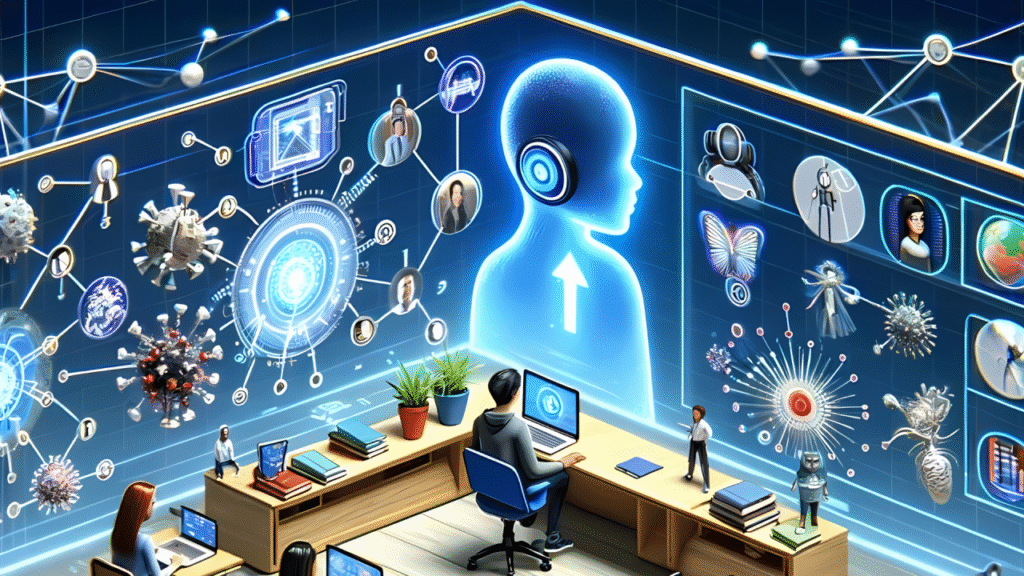
The rapid evolution of generative artificial intelligence is reshaping how organizations operate, innovate, and compete. From automated content creation to intelligent customer service and predictive analytics, Gen AI is no longer a futuristic concept—it is a present-day strategic necessity. Yet many businesses struggle to understand whether they are truly prepared to adopt and scale these technologies effectively. This is where a Gen AI readiness assessment becomes essential. By evaluating your organization’s capabilities, infrastructure, culture, and governance, you can determine how ready you are to harness the next wave of AI. Tools such as an enterprise AI readiness quiz can provide a practical starting point for this journey, offering insights into your current maturity level and the steps needed to move forward with confidence.
Understanding Gen AI and Its Business Impact
Generative AI refers to systems capable of creating new content, such as text, images, code, and even audio, based on patterns learned from large datasets. Unlike traditional AI, which focuses on classification or prediction, Gen AI adds a creative dimension that can transform business processes. Marketing teams can generate campaign copy in seconds, software developers can accelerate coding, and customer support functions can deploy intelligent chatbots that understand context and nuance.
The business impact of Gen AI is profound. Organizations that integrate these tools effectively can achieve higher productivity, faster innovation cycles, and improved customer experiences. However, the benefits are not automatic. Without the right data foundations, skilled talent, ethical frameworks, and strategic alignment, Gen AI initiatives can stall or even create new risks. A readiness assessment helps leaders move beyond hype and identify realistic pathways to value creation.
What Is a Gen AI Readiness Assessment
A Gen AI readiness assessment is a structured evaluation of an organization’s preparedness to adopt, deploy, and scale generative AI solutions. It goes beyond technical considerations and examines the broader ecosystem that supports successful AI transformation. This includes leadership commitment, data quality, infrastructure, governance, security, workforce skills, and organizational culture.
The goal of the assessment is not to produce a simple pass-or-fail result but to create a clear, actionable roadmap. By understanding strengths and gaps, decision-makers can prioritize investments, design targeted training programs, and establish governance models that align with both business objectives and regulatory requirements. Many organizations use frameworks or digital tools, such as an enterprise AI readiness quiz, to streamline this process and benchmark their progress against industry standards.
Why AI Readiness Matters More Than Ever
The pace of AI innovation is accelerating, and competitors are moving quickly to capitalize on new capabilities. Companies that delay their readiness efforts risk falling behind, not only in terms of technology but also in talent attraction, customer expectations, and operational efficiency. Moreover, regulatory scrutiny around data privacy, algorithmic bias, and transparency is increasing, making it essential to adopt AI responsibly.
Readiness also matters because Gen AI initiatives often fail due to non-technical issues. Projects can collapse when employees resist change, when leadership lacks a clear vision, or when data silos prevent effective model training. A readiness assessment surfaces these hidden barriers early, allowing organizations to address them proactively rather than reactively.
Core Dimensions of Gen AI Readiness
Strategic Alignment and Leadership
Successful Gen AI adoption starts with a clear strategic vision. Leaders must articulate why AI matters for the organization and how it supports broader business goals. This includes defining priority use cases, setting realistic timelines, and allocating appropriate budgets. Without strong leadership sponsorship, AI projects can become fragmented experiments with limited impact.
Strategic alignment also involves cross-functional collaboration. Marketing, IT, operations, legal, and human resources must work together to ensure that Gen AI initiatives are integrated into existing workflows and comply with organizational policies. A readiness assessment evaluates whether such alignment exists and where coordination can be improved.
Data Infrastructure and Quality
Data is the fuel that powers Gen AI systems. High-quality, well-governed data is essential for training models that produce accurate and reliable outputs. Organizations must assess the availability, accessibility, and integrity of their data assets. This includes understanding where data is stored, how it is labeled, and whether it meets privacy and compliance requirements.
Poor data quality can undermine even the most sophisticated AI models. A readiness assessment helps identify gaps in data pipelines, integration challenges, and governance weaknesses. Addressing these issues early can significantly reduce the risk of project delays and unexpected costs.
Technology Stack and Integration
Gen AI requires a robust technology foundation, including cloud infrastructure, scalable computing resources, and secure deployment environments. Organizations must evaluate whether their existing systems can support the computational demands of large language models and other generative technologies.
Integration is equally important. Gen AI tools should connect seamlessly with enterprise applications such as customer relationship management systems, content management platforms, and analytics tools. A readiness assessment examines the compatibility of current systems and highlights areas where modernization or upgrades may be necessary.
Talent and Skills
The human element is a critical factor in Gen AI readiness. Organizations need a mix of technical expertise, such as data science and machine learning engineering, and business skills, such as product management and change leadership. Employees must also be trained to work effectively with AI tools, understanding both their capabilities and limitations.
A readiness assessment evaluates current skill levels, identifies training needs, and explores strategies for talent acquisition or upskilling. This ensures that the workforce is prepared not only to implement Gen AI but also to adapt to new ways of working.
Governance, Ethics, and Risk Management
As Gen AI becomes more powerful, so do the risks associated with its misuse or unintended consequences. Organizations must establish governance frameworks that define accountability, decision-making authority, and ethical guidelines. This includes policies for data usage, model transparency, bias mitigation, and human oversight.
A readiness assessment reviews existing governance structures and assesses whether they are sufficient to manage the unique challenges of generative technologies. Strengthening these frameworks can build trust with customers, regulators, and employees while protecting the organization’s reputation.
Using an Enterprise AI Readiness Quiz as a Starting Point
An enterprise AI readiness quiz can be a valuable entry point for organizations beginning their Gen AI journey. These quizzes typically consist of structured questions covering strategy, data, technology, talent, and governance. By answering them, organizations can quickly gain a high-level snapshot of their current maturity level.
The results of an enterprise AI readiness quiz can highlight priority areas for improvement and serve as a catalyst for deeper discussions among leadership teams. While a quiz alone is not a substitute for a comprehensive assessment, it provides a practical and accessible way to initiate the readiness conversation and build momentum for further action.
Building a Roadmap for Gen AI Adoption
Once the readiness assessment is complete, the next step is to translate insights into a concrete roadmap. This roadmap should outline short-term, medium-term, and long-term initiatives, each aligned with specific business objectives. Quick wins, such as pilot projects in marketing or customer support, can demonstrate value and build organizational confidence.
At the same time, long-term investments in data infrastructure, talent development, and governance should be planned carefully. The roadmap should include clear milestones, performance metrics, and accountability structures to ensure sustained progress. Regular reviews and updates will help the organization adapt to evolving technologies and market conditions.
Overcoming Common Barriers to Readiness
Many organizations encounter similar challenges on their path to Gen AI readiness. Resistance to change, budget constraints, and uncertainty about return on investment are among the most common. Addressing these barriers requires transparent communication, stakeholder engagement, and a focus on measurable outcomes.
Leadership can play a pivotal role by fostering a culture of experimentation and learning. Encouraging teams to explore new use cases, share insights, and learn from failures can accelerate readiness and innovation. Partnerships with technology providers, academic institutions, or industry consortia can also provide valuable expertise and resources.
The Competitive Advantage of Being AI-Ready
Organizations that invest in Gen AI readiness position themselves for long-term competitive advantage. They can respond more quickly to market changes, personalize customer experiences at scale, and unlock new revenue streams through innovative products and services. Moreover, being AI-ready enhances organizational resilience, enabling companies to navigate uncertainty with greater agility and insight.
In a world where AI capabilities are becoming increasingly commoditized, readiness is the differentiator. It determines not just whether an organization can adopt new technologies, but how effectively it can turn them into sustainable value.
Conclusion
Gen AI is redefining the future of business, offering unprecedented opportunities for growth and innovation. However, realizing these benefits requires more than simply adopting new tools. A comprehensive Gen AI readiness assessment provides the foundation for successful transformation, helping organizations align strategy, strengthen infrastructure, develop talent, and establish responsible governance.
By leveraging resources such as an enterprise AI readiness quiz, businesses can begin their readiness journey with clarity and confidence. The insights gained from this process enable leaders to build actionable roadmaps, overcome common barriers, and position their organizations at the forefront of the next AI wave. In an era of rapid technological change, readiness is not just an advantage—it is a necessity for sustainable success.